13th Annual Cranberry Township EMS Training Blitz
2026 Cranberry Township EMS Training Blitz
Venue Information
Location:
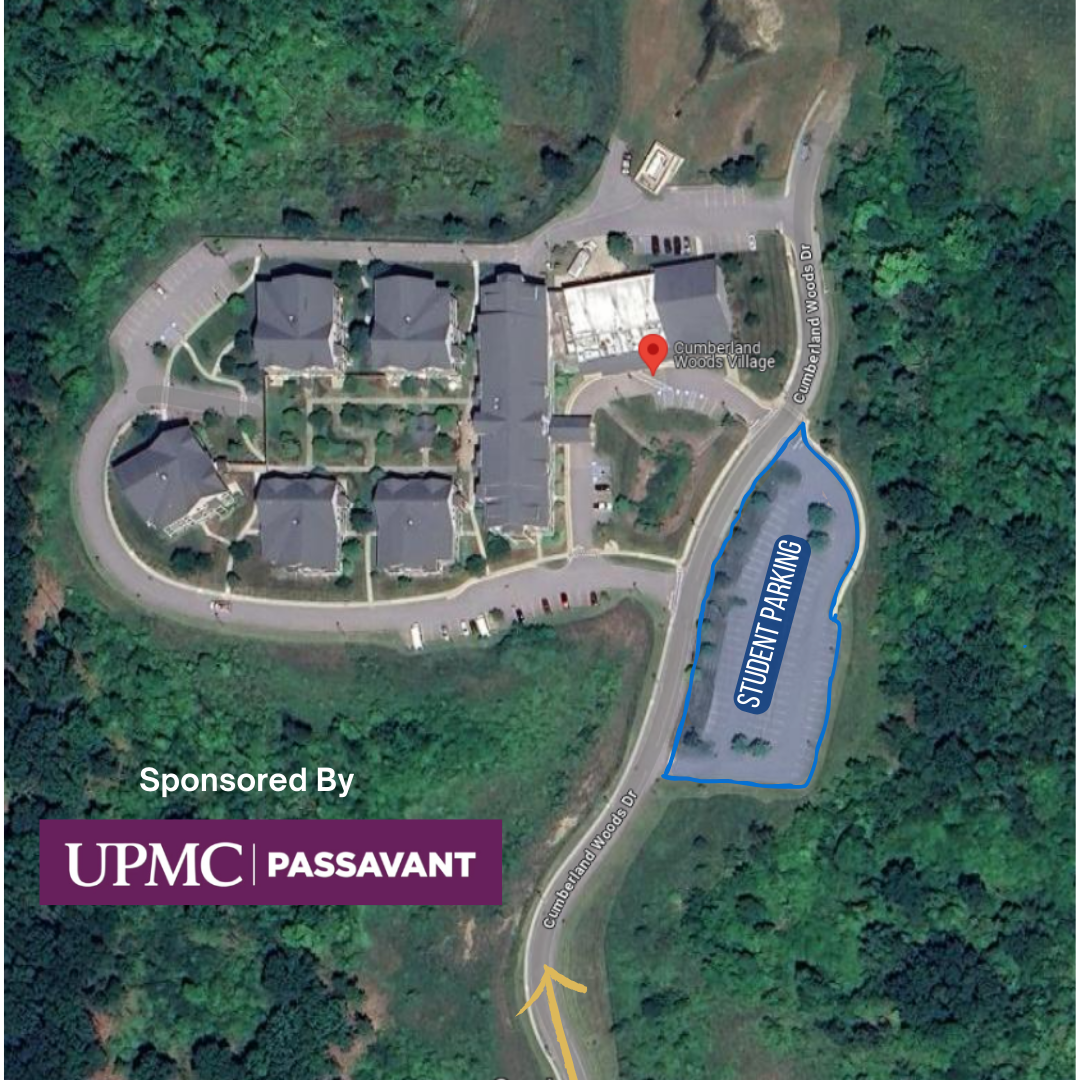
This year’s Training Blitz will be held at the Cumberland Woods Village Conference Center, sponsored by UPMC Passavant, located behind UPMC Passavant McCandless
700 Cumberland Woods Drive
Allison Park, PA 15101
Since this building also serves as a residential senior community, we’re asking that you remain mindful and park in the designated area mapped below:
Breakfast and Lunch:
Join us to learn, and we’ll worry about the rest. Breakfast and lunch will be provided for both Saturday and Sunday.
08:00
Pre-Hospital Blood
Blood transfusion in the prehospital setting is growing in the region and across the country. But what is the impact and what works best? This presentation will discuss the latest concepts in prehospital blood administration, including exploring the pros and cons of whole blood vs packed RBCs and the potential use of plasma, as well as the latest research findings. We will also review the regional experience and present some actual case examples of prehospital blood use.

Dr. Vince Mosesso, MD, FACEP, FAEMS
University of Pittsburgh Medical Center
High-Yield OB Emergencies in EMS
This case-based course reviews the recognition and prehospital management of high-acuity obstetric emergencies. Participants will discuss hypertensive disorders of pregnancy, postpartum hemorrhage, abnormal deliveries, maternal cardiac arrest, neonatal resuscitation, and other low-frequency, high-risk events. Emphasis is placed on rapid assessment, evidence-based interventions, and practical decision-making to improve outcomes for both mother and baby.

Anna Meyer, BS, EMT-P
LECOM and AHN Prehospital Care
Simulation with AHN LifeFlight
This simulation provides hands-on, scenario-based education.
Session Format: Each time slot includes 3 concurrent simulation scenarios, with a maximum of 3 providers assigned to each simulation (up to 9 providers per time slot). Spots are limited.
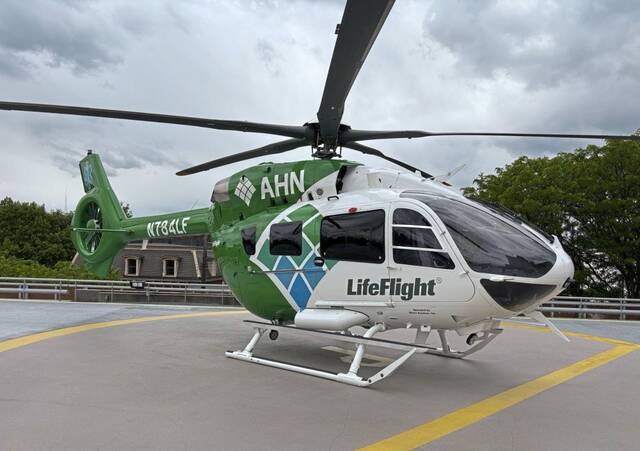
Allegheny Health Network
LifeFlight
09:15
Pre-Hospital Trauma Packages to prevent Trauma-Induced Coagulopathy (such as that being implemented in Tulane)
Trauma-induced coagulopathy has been a major focus of trauma research for the past 25 years. Even more recently, there has been a renewed focus on pre-hospital strategies to prevent this deadly condition. Putting the best interventions as far forward as possible remains a tenant of trauma care, and this lecture will focus on best practices and what is coming down the pipeline..
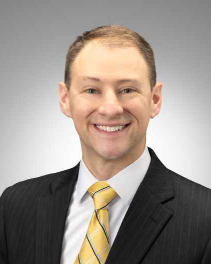
Dr. Peter Allen, MD
UPMC Mercy
Toe Pain! – Podiatric Emergencies
Toe pain doesn’t always seem like a big (toe) problem. Let’s go over what makes toe pain more serious than it sounds and what you can do about it.

Eric Rousell, PA-C, CAQ-EM
U.S Department of Veterans Affairs, Philadelphia
Simulation with AHN LifeFlight
This simulation provides hands-on, scenario-based education.
Session Format: Each time slot includes 3 concurrent simulation scenarios, with a maximum of 3 providers assigned to each simulation (up to 9 providers per time slot). Spots are limited.
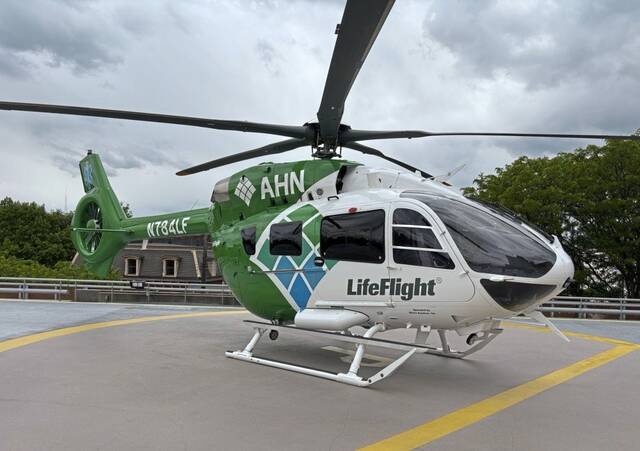
Allegheny Health Network
LifeFlight
10:30
All jacked UP– Nutritional Supplements & Energy Drinks
When does that daily pick-me-up cup of coffee or a can of Red Bull turn into potential bodily harm? We explore and learn the various components of nutritional supplements & energy drinks, government oversight and health risks, how fatigue can affect medical decision-making, and strategies to improve wellness by practicing healthy behaviours.

Dr. Rickquel Tripp, MD, MPH, CDR, USN, FAEMS
University of Pittsburgh Medical Center
Baby on Board: Neonatal Management
This presentation equips providers with the essential knowledge needed to manage critical neonatal emergencies. Attendees will explore the full spectrum of prehospital newborn care, encompassing everything from the basic foundational assessment to advanced, life-saving airway management.
Zach Reiser, RN
UPMC Children’s Hospital of Pittsburgh
Tom Leslie, RN
UPMC Children’s Hospital of Pittsburgh
Simulation with AHN LifeFlight
This simulation provides hands-on, scenario-based education.
Session Format: Each time slot includes 3 concurrent simulation scenarios, with a maximum of 3 providers assigned to each simulation (up to 9 providers per time slot). Spots are limited.
Allegheny Health Network
LifeFlight
LUNCH BREAK: 12:00-12:45
12:45
Getting Back on the Bike After You Fall off
After experiencing PTSD firsthand following a bicycle accident, this presentation reflects on the process of recovery and the challenge of “getting back on the bike.” It connects that personal journey to the realities of EMS, where providers regularly encounter high-stress and traumatic events. Attendees will gain practical insight into identifying PTSD, building resilience, and fostering a culture that supports mental health while maintaining readiness to serve.
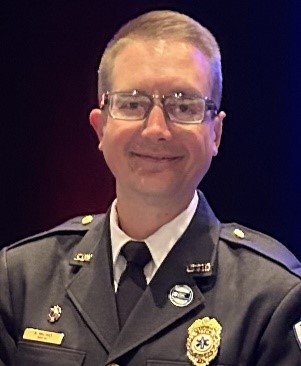
Brian Maloney, MS, EMT-P
Plum EMS
Dangers, Risks and Hazards-Dealing with the Unknown: Risk Assessment Awareness, the Key to a Successful and Safe Operation Outcome
Introduction / My 9 Lives / Dangers, risks, and hazards of dealing with the unknown: What is a risk? What is a danger? What is a hazard? Do we really know what we are responding to? The tone of the call. How can we assess the scene? Risks—do they change? Should we appoint a safety officer? More questions than answers. Assessment steps. Fire and police. Training: the key to successful emergency responses with reduced risks and dangers while fostering safety.
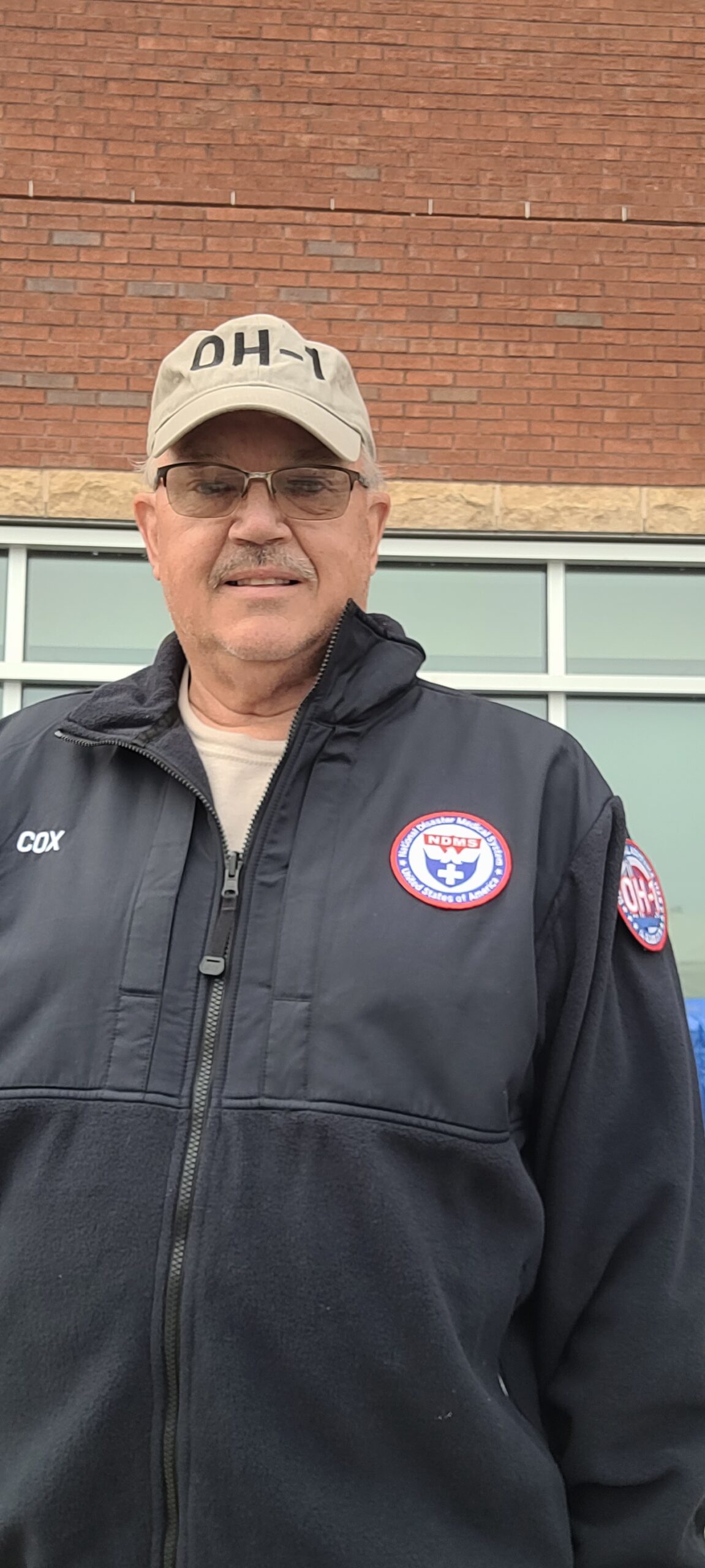
Dr. Roy Cox Jr., EMT-P
Retired District Chief City of Pittsburgh EMS
Simulation with AHN LifeFlight
This simulation provides hands-on, scenario-based education.
Session Format: Each time slot includes 3 concurrent simulation scenarios, with a maximum of 3 providers assigned to each simulation (up to 9 providers per time slot). Spots are limited.
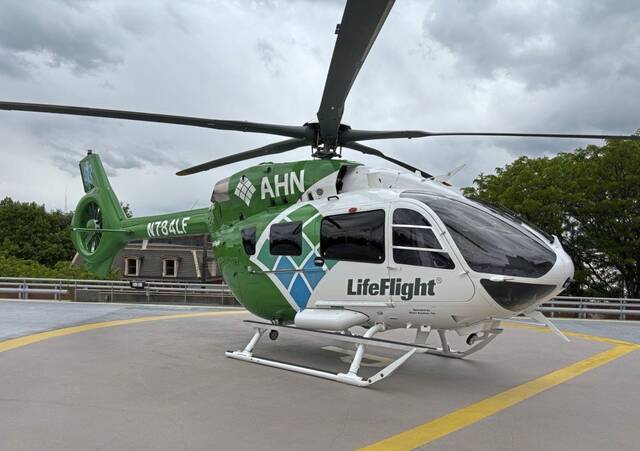
Allegheny Health Network
LifeFlight
14:00
Your Greatest Resource: Crew Resource Management for EMS
This one-hour presentation introduces Crew Resource Management (CRM) in prehospital EMS. Participants will explore communication, leadership, situational awareness, workload management, and human factors through practical, scenario-based learning. The course provides tools to improve teamwork, reduce errors, strengthen patient safety, and foster a Just Culture and high-reliability mindset for everyday 911 EMS operations. Applicable to EMTs, AEMTs, paramedics, and supervisors alike. Every shift.
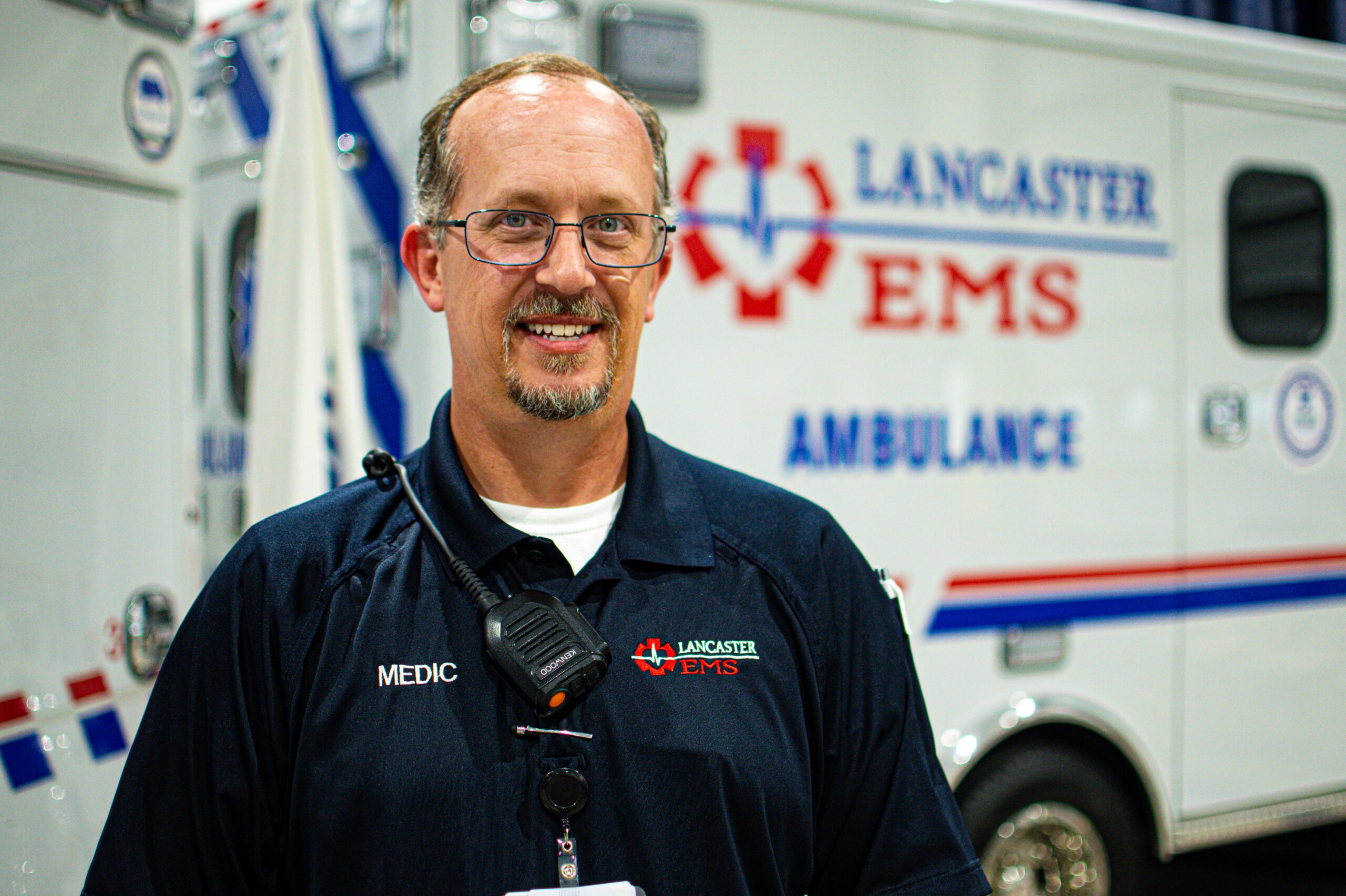
Justin Parrish, NRP, FP-C, CCEMTP
Lancaster EMS
After the Fire is Out: Burn Assessment from Scene to Recovery
This session will provide a comprehensive overview of burn patient care, spanning from initial response through hospital management and long-term recovery. The presentation will follow the continuum of care for a trauma burn patient—from the point of injury to discharge—while examining critical decision points and best practices in burn management. Priorities in burn assessment, early interventions, and ongoing treatment will be highlighted.

Michele Buraczewski, MSN, RN,CEN, CCRN,TCRN, CBRN
UPMC Mercy
Simulation with AHN LifeFlight
This simulation provides hands-on, scenario-based education.
Session Format: Each time slot includes 3 concurrent simulation scenarios, with a maximum of 3 providers assigned to each simulation (up to 9 providers per time slot). Spots are limited.
Allegheny Health Network
LifeFlight
15:15
The Body’s Overreaction: Immune System Review, Injuries, and Treatments
The session takes a practical look at the immune system and the role it plays in common prehospital emergencies. From allergic reactions and anaphylaxis to sepsis, participants will learn the pathophysiology behind these conditions and what’s happening inside the body. Through a practical EMS lens, participants will connect physiology to patient presentation, assessment, and treatment, gaining a deeper understanding of the “why” behind clinical interventions and decision-making in the field.
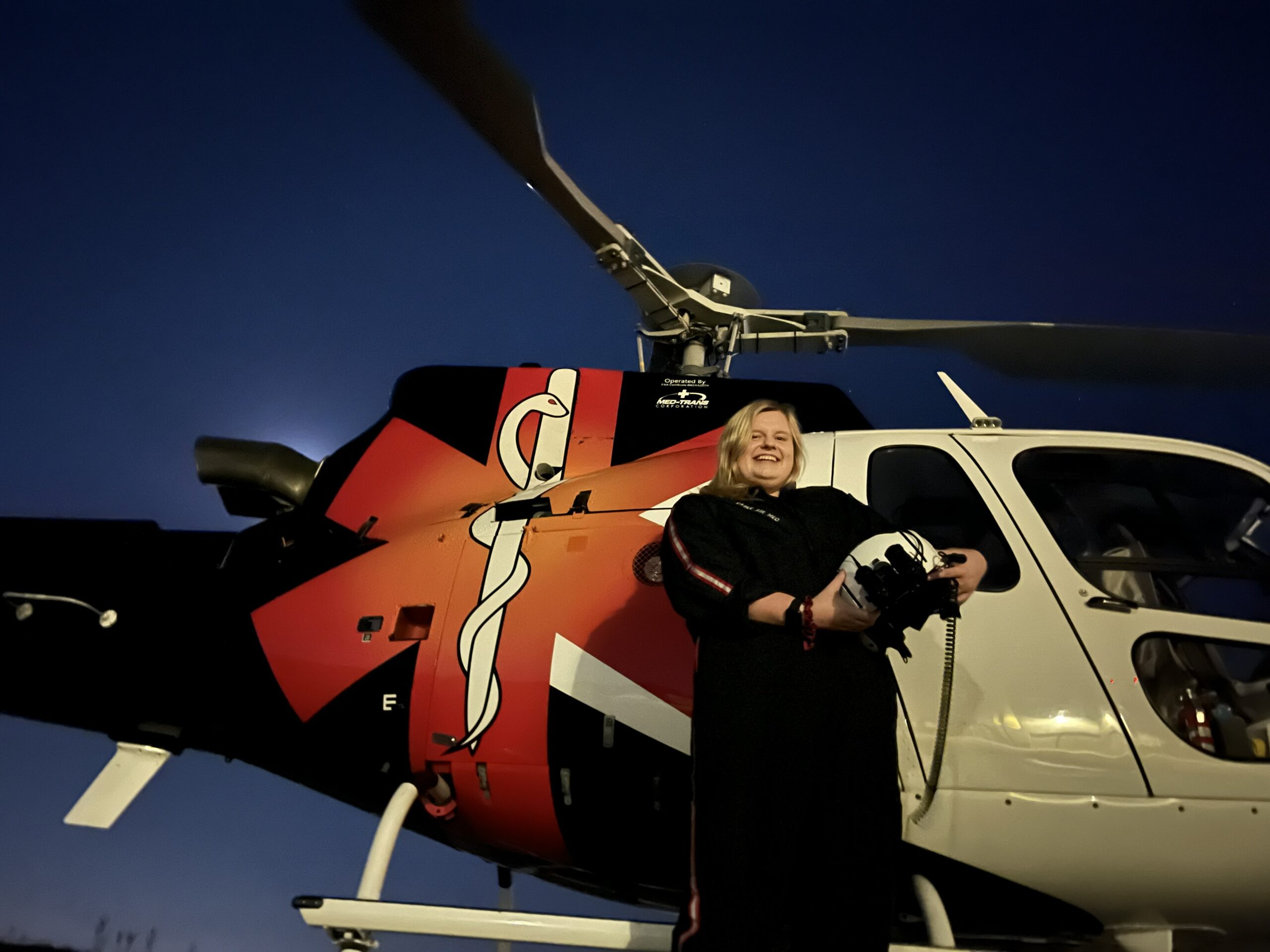
Meredith Wardell, BS, NRP
University of Pittsburgh Medical Center
PE Class (This has Nothing to do with Gym Class): Update on Pulmonary Embolus and Treatments
A review of Pulmonary Embolism and treatment modalities.

Kathleen Kern, PHRN, CFRN, CCRN
Allegheny Health Network
Simulation with AHN LifeFlight
This simulation provides hands-on, scenario-based education.
Session Format: Each time slot includes 3 concurrent simulation scenarios, with a maximum of 3 providers assigned to each simulation (up to 9 providers per time slot). Spots are limited.
Allegheny Health Network
LifeFight
08:00
Medical Care for the Entrapped Patient
Providing medical care to the entrapped patient.
Recommended course pairing: 8:00 Medical Care for the Entrapped Patient and 9:00 Rescue Medicine for the Street Medic. These sessions are designed to provide a seamless continuation of learning across both time slots.
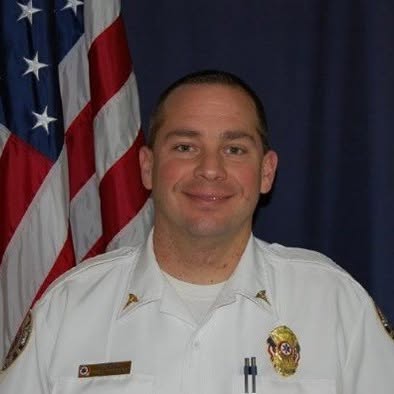
Greg Porter, EMT-P
University of Pittsburgh Medical Center
Updates in Trauma
This course will review prehospital and ED resuscitation and hospital management via case presentations.
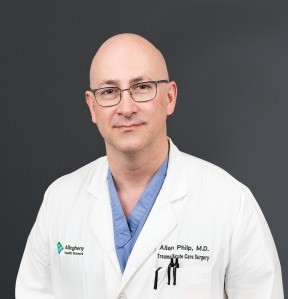
Dr. Allan Philip, MD
Allegheny Health Network
Unique Airway Emergencies
When the airway isn’t where you expect it to be, your approach has to change. Join us for a practical review of tracheostomies, laryngectomies, stomas, and other altered airway anatomy encountered in the prehospital environment. Learn how to rapidly identify airway type, troubleshoot common emergencies, and make sound airway decisions in these high-acuity, low-frequency situations.

Jonathon Jenkins, MS, NRP, FAEMS
Lites Network
09:15
Prehospital Pain Management
Prehospital Pain Management – Join us for a discussion of the various options EMS clinicians at all levels have to manage pain in the prehospital setting. We will cover both pharmacological agents and adjuncts, applicable statewide EMS protocols, and case-based discussions of options for pain management in specific clinical scenarios.
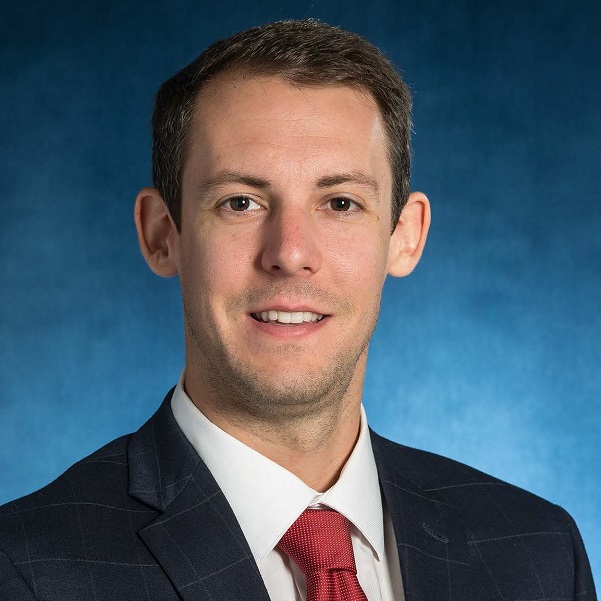
Dr. Philip Nawrocki, MD
Allegheny Health Network
Rescue Medicine for the Street Medic
This course provides EMS clinicians with the knowledge and skills necessary to deliver safe, effective medical care in rescue and austere environments. Participants will learn to integrate advanced medical decision-making with technical rescue operations, including patient assessment, stabilization, packaging, extrication, and transport in challenging settings.
Recommended course pairing: 8:00 Medical Care for the Entrapped Patient and 9:00 Rescue Medicine for the Street Medic. These sessions are designed to provide a seamless continuation of learning across both time slots.
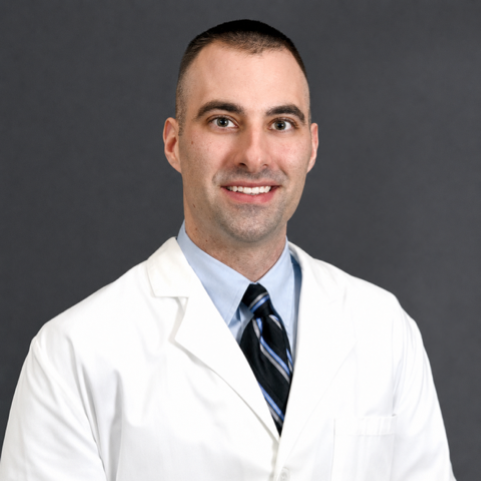
Dr. Brendan Mulcahy, DO
Penn Medicine
To Infinity and Beyond: Hot Topics in EMS Research
EMS research is advancing faster than ever. From blood products and airway management to resuscitation science, artificial intelligence, and pragmatic clinical trials, this session explores the hottest topics shaping the future of prehospital care. Attendees will gain practical insights into emerging evidence, ongoing controversies, and innovations that are changing how EMS clinicians deliver care today, and where the profession is headed tomorrow.
Jonathon Jenkins, MS, NRP, FAEMS
Lites Network
.
10:30
Keynote Presentation
Join us for a question-and-answer session with command physicians from AHN and UPMC. This interactive experience will allow you to submit your questions in real-time.
Panel Biographies:

Dr. Adam Frisch, MD
UPMC
About Dr. Adam Frisch
Dr. Adam Frisch is a physician and researcher in the Department of Emergency Medicine at UPMC. Dr. Frisch is the Medical Director for Cranberry Township EMS and for the Wexford Volunteer Fire Company. He is also the Associate Medical Director for the McCandless Franklin Park Ambulance Authority.

Dr. Philip Nawrocki, MD
Allegheny Health Network
About Dr. Philip Nawrocki, MD
Dr. Nawrocki completed a residency in Emergency Medicine at Allegheny General Hospital (Pittsburgh, PA), and a fellowship in Emergency Medical Services at the Johns Hopkins School of Medicine (Baltimore, MD). He currently serves as Associate Medical Director for the Allegheny Health Network LifeFlight and CCT program, Program Director for the EMS fellowship, and System EMS Medical Director for Allegheny Health Network.
Dr. Alan Phillip, MD
Allegheny Health Network
About Dr. Alan Phillip, MD
Dr. Philp is a Trauma surgeon and Intensivist with 25 years of experience, including
multiple overseas deployments during his time as a USAF surgeon.
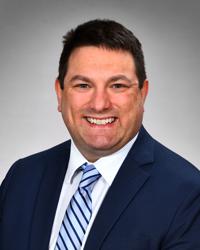
Dr. Peter Adler, MD
UPMC
About Dr. Peter Adler
Peter Adler, MD, specializes in emergency medicine and is certified by the American Board of Emergency Medicine. He is affiliated with UPMC Passavant, UPMC Presbyterian, UPMC Jameson, UPMC Shadyside, and UPMC Horizon. He completed his residency at University of Pittsburgh School of Medicine and medical degree at University of North Carolina at Chapel Hill.
LUNCH BREAK: 12:00-12:45
12:45
Cardiology Across the Spectrum
Explore essential cardiac care for both BLS and ALS providers. This course reviews the assessment and management of various cardiac conditions and arrhythmias across different levels of care. Participants will discuss fundamental concepts alongside advanced intervention strategies to enhance clinical decision-making. Ideal for all certification levels, this class emphasizes collaborative provider roles and adaptable treatment approaches to optimize patient care in dynamic environments.
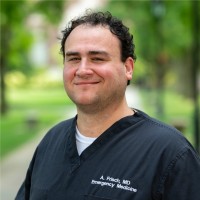
Dr. Adam Frisch, MD
University of Pittsburgh Medical Center
Pediatric Respiratory Emergencies
Stop, Collaborate & Listen: Pediatric Respiratory Emergencies focuses on early recognition and management of respiratory distress in children. Learn to identify subtle warning signs, intervene before deterioration, and confidently respond to common high-risk scenarios

Melony Murray, DNP, RN, CPEN, CPN
UPMC Children’s Hospital of Pittsburgh
Carbon Monoxide Poisoning: Pathophysiology, Treatment, Critical Clinical Pearls
This class will explore the complexities of what appear to be simple and straightforward patients in the EMS, transport, emergency medicine, critical care, and convalescent stages and the critical interventions that must be performed at each stage to ensure high-quality patient outcomes.

Adam Liske, Paramedic, NRP, FP-C, BSN, RN
Allegheny Health Network
.
14:00
EMS in the Woods
This lecture will focus on an overview of hazards and hazard mitigation when heading from your ambulance out in Pennsylvania’s Great Eastern Hardwood Forest towards a patient.

Dr. Keith Conover, MD
University of Pittsburgh Medical Center
The Day(s) My EMS World Stood Still: LODD – The Field Perspective
How does one handle the unthinkable when a coworker befalls a tragic event on duty, and subsequently succumbs to the injuries/illness? We’ll take a look at handling the process from a first-person account, acknowledging what went right, what went wrong, and what you and your agency can do to prepare for perhaps the hardest day(s) of one’s career.
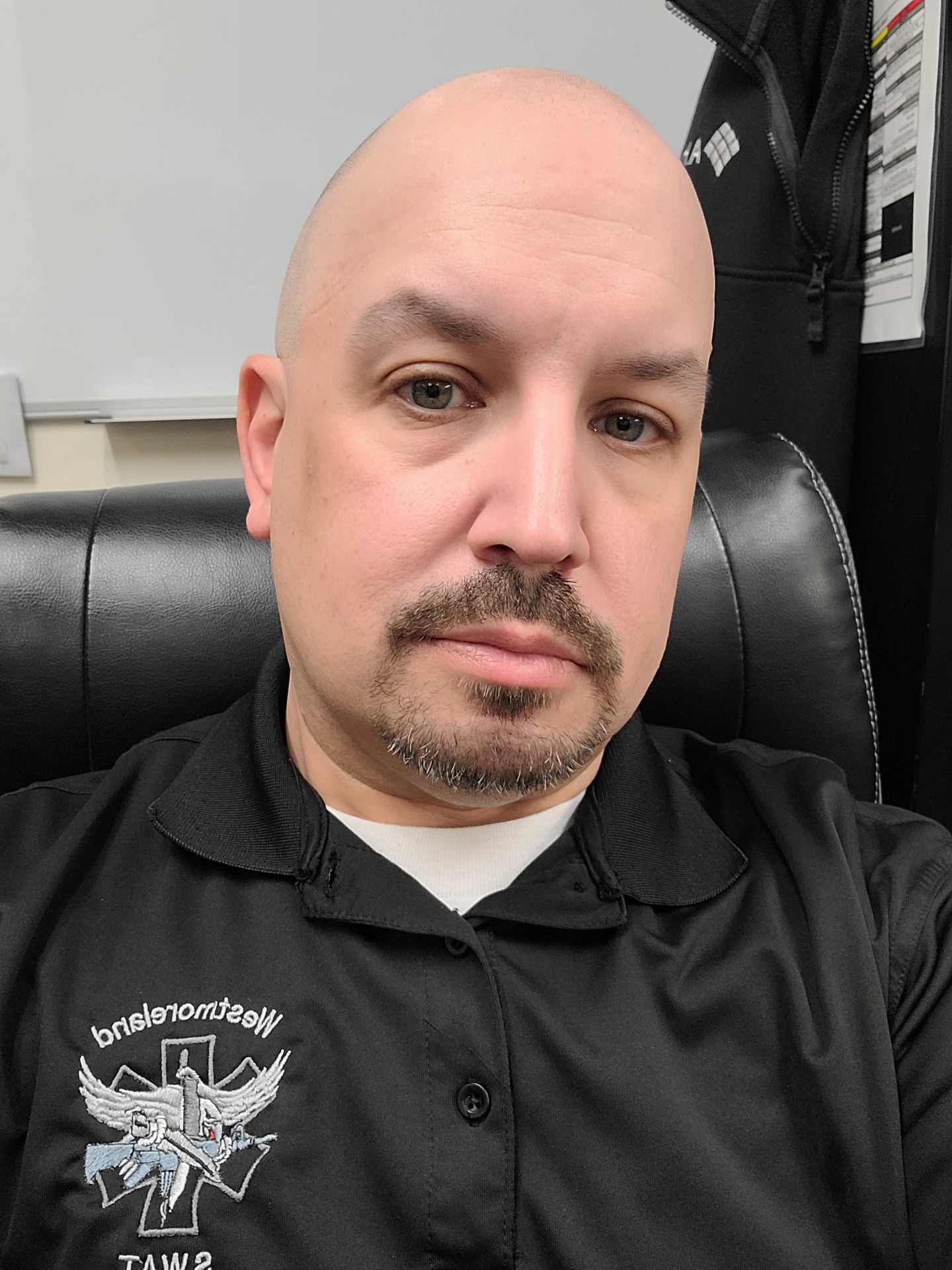
Clayton Ondrizek, EMT-P
Allegheny Health Network
Initial Burn Management for EMS
Initial prehospital management of burn patients including the role of the burn center, burn pathophysiology, burn shock, TBSA estimate, fluid resuscitation, and questionable burn patterns
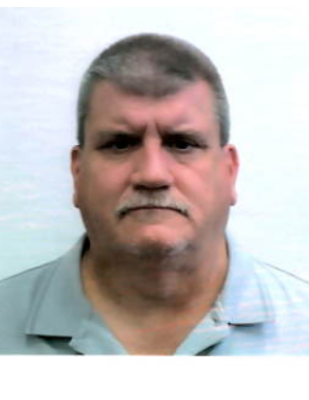
Michael Recklein, NREMT-P
Allegheny Health Network
.
15:15
Prehospital Syncope & Seizures: Critical Actions and New Science
This case-based session helps EMS personnel distinguish seizure from syncope and manage both effectively. It reviews assessment priorities, active and post-event seizure care, benzodiazepine dosing and route updates, Pennsylvania protocol changes, emerging pediatric seizure research, and real-world syncope cases with key treatment pearls and pitfalls.

Dr. Christian Martin-Gill, MD, MPH, FACEP, FAEMS
University of Pittsburgh Medical Center
Effective Management of COPD and Other Respiratory Issues Effectively
We will discuss the benefits of early and aggressive treatment of COPD and other Bronchospasm issues.

Fiore Londino, NRP
Allegheny Health Network
.
Learn More About This Year’s Presenters
How to Register
To register, visit the links below for Saturday and Sunday. You must register for each class day individually. Please register for only one class per hour.
Once you arrive at the venue, you will check in at the registration table, where you will receive a name tag with a list of your classes.
Continuing Education Credit
Attendances: This is Important
- At the end of each class, you will be asked to scan a QR code. This link will complete your continuing education registration and provide a course survey. If this step is incomplete, you will not receive credit for the course.
Disclaimers
- PA EMS Continuing Education
- Course numbers are provided by the presenter or sponsor
- Course numbers may not be unique to the class
- If you have taken a similar class, you may not receive credit
- Certificate of completion: The certificate of completion will be sent to the EMAIL address on file with the PA Department of Health EMS profile. You might want to check your state profile and update it if you feel the need to. https://ems.health.state.pa.us/Registry/
- National Registry: CTEMS is not responsible for National Registry Reporting. Visit the National Registry website to enter your classes at https://www.nremt.org/
- If you need proof of education from any agency outside the PA Department of Health EMS, you must request a certificate by emailing training@ctems51.org within 5 days of completing the course.
- If you are a nurse, PA, doctor, or other healthcare provider, please email training@ctems51.org within 5 days of completing the course for a letter of reciprocity.
Cancellations
- CTEMS will refund any student who cancels before September 1, 2026. To cancel, please email training@ctems51.org.
- Any cancellation on or after September 1, 2026, is not eligible for a refund. We apologize for the inconvenience.
2026 Training Blitz Sponsors
Platinum Sponsorship







Gold Sponsorship

Silver Sponsorship
Bronze Sponsorship


Interested in sponsoring the 2026 Training Blitz? Click HERE, call (724) 776-4480, or email matt.nickl@ctems51.org
Join us for a Meet and Greet at Primanti Bros Restaurant and Bar
We’re excited to invite you for an evening of food and networking at Primanti Bros!
Whether you’re looking to connect with new people, catch up with old friends, or just enjoy a great time out, this event is for you.
Saturday, September 26th, 2026, at 5:30 pm
Primanti Bros Restaurant and Bar
