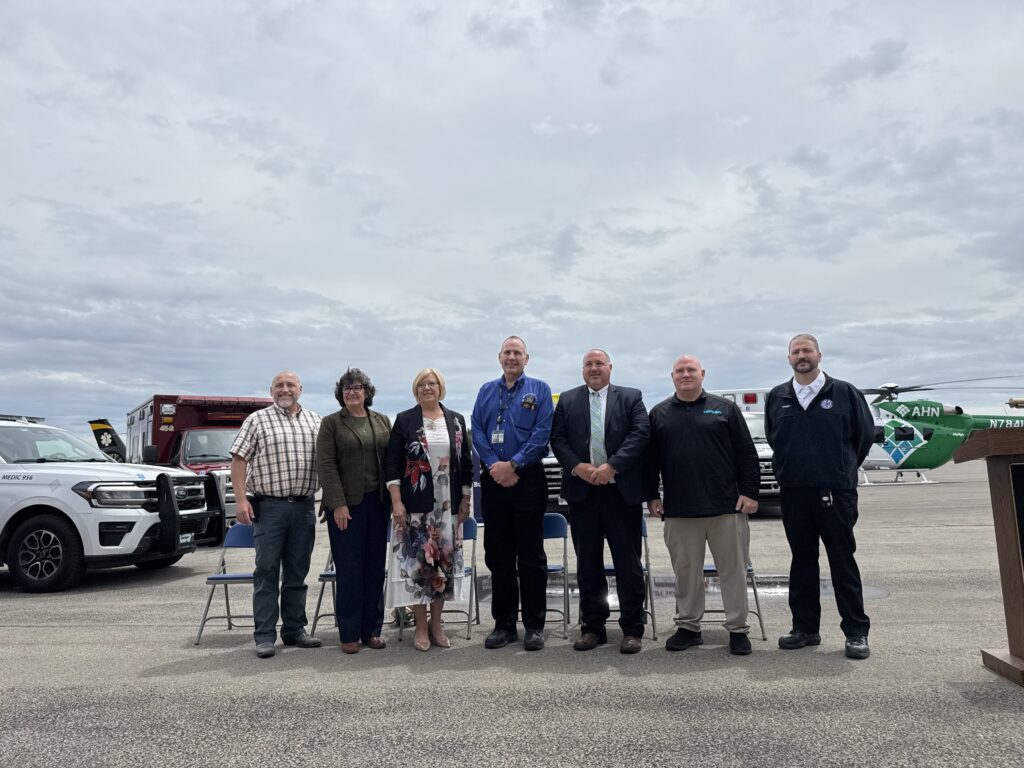
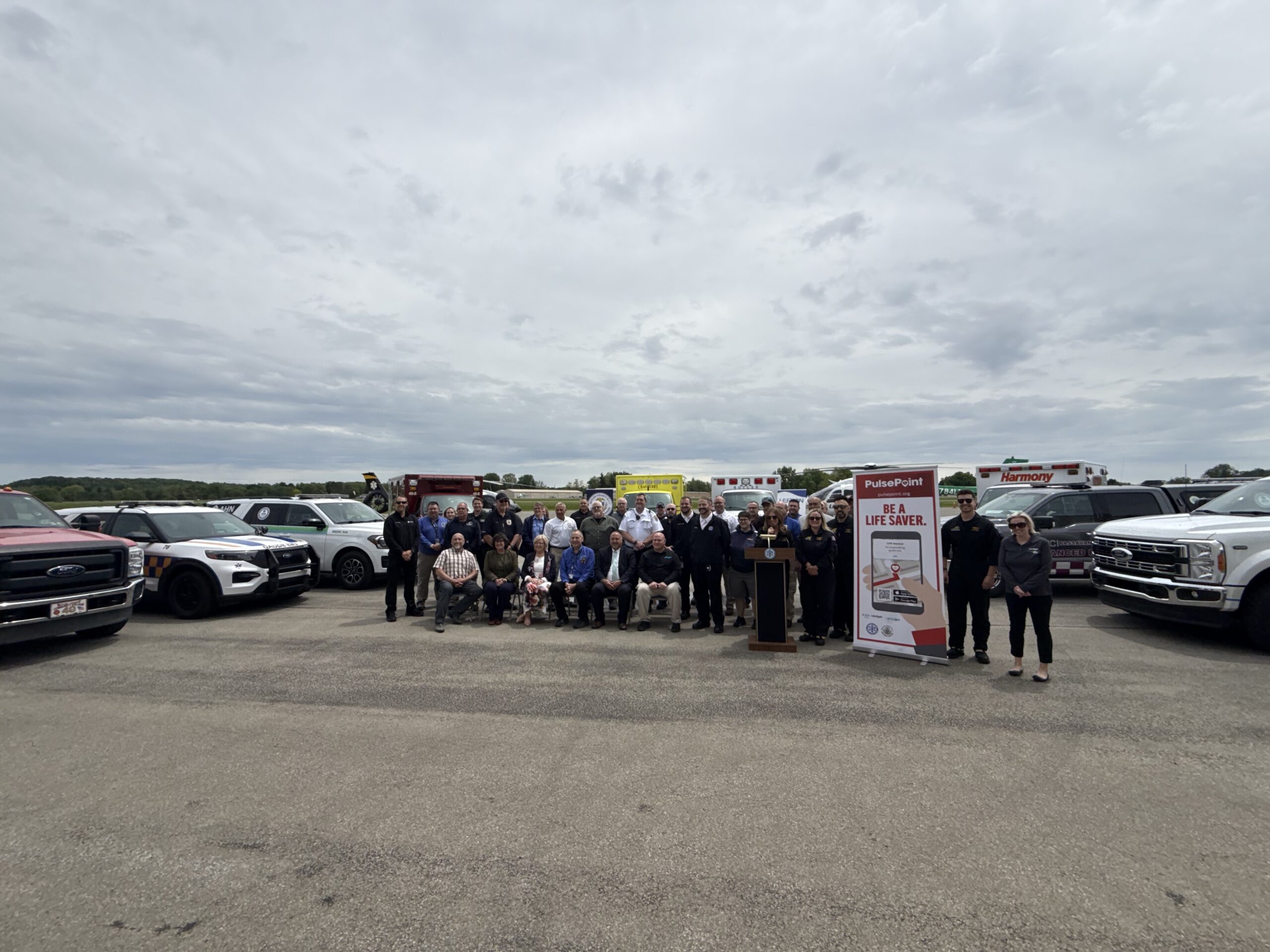
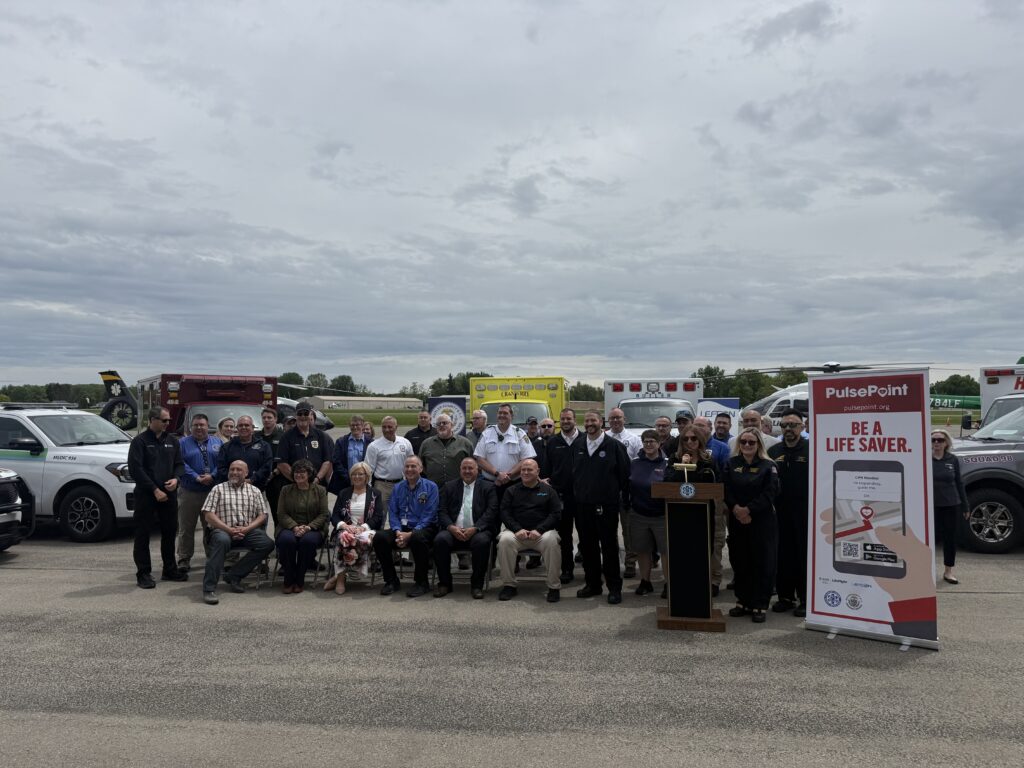
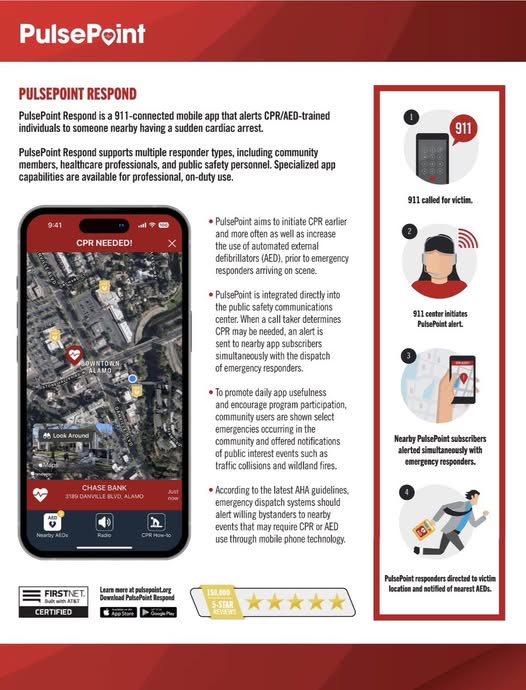
Butler County Emergency Services in collaboration with Allegheny Health Network/Lifeflight, LEFCON, LLC and Cranberry Township EMS, announced the adoption of PulsePoint to further the county’s commitment to emergency response. The free app, PulsePoint Respond, allows residents throughout the county to be alerted of individuals in nearby public places experiencing sudden cardiac arrest, allowing immediate lifesaving assistance to begin before first responders arrive.
The companion app, PulsePoint AED, lets individuals report and update AED locations to help emergency responders, and nearby citizens, quickly locate them during an emergency. Residents are urged to help build the community registry by using PulsePoint AED to describe the location of the AED and submit a picture. All information is verified by local authorities. The data can then be made available for anyone using the app.
“This initiative reflects Butler County’s ongoing commitment to leveraging technology and community partnerships to strengthen emergency response capabilities across our region. By empowering residents to assist during critical moments, PulsePoint helps bridge the gap between the onset of an emergency and the arrival of EMS personnel,” said Matt Nickl, executive director of Cranberry Township EMS. “Early CPR and rapid intervention are critical factors in improving survival outcomes during cardiac emergencies.”
“The PulsePoint platform represents another important step in Butler County’s commitment to enhancing public safety and improving outcomes,” said Chris Beck, on behalf of Butler County Emergency Services. “With PulsePoint, we hope to increase bystander involvement during time-sensitive medical emergencies by encouraging the use of CPR and AEDs while keeping the community involved in real time.”
LEFCON, LLC was a major contributor to the implementation of the initiative, including funding the entire year.
“LEFCON was honored to provide the initial startup funding for this initiative because we strongly believe in investing in programs that improve public safety and help strengthen emergency response capabilities,” said James Lefcakis, president of LEFCON.
“PulsePoint represents an outstanding example of how technology, public safety agencies, and community collaboration can come together to improve outcomes during emergencies. Providing CPR-trained citizens with the ability to respond in those first critical moments before EMS arrival has the potential to make a meaningful difference when every second counts.”
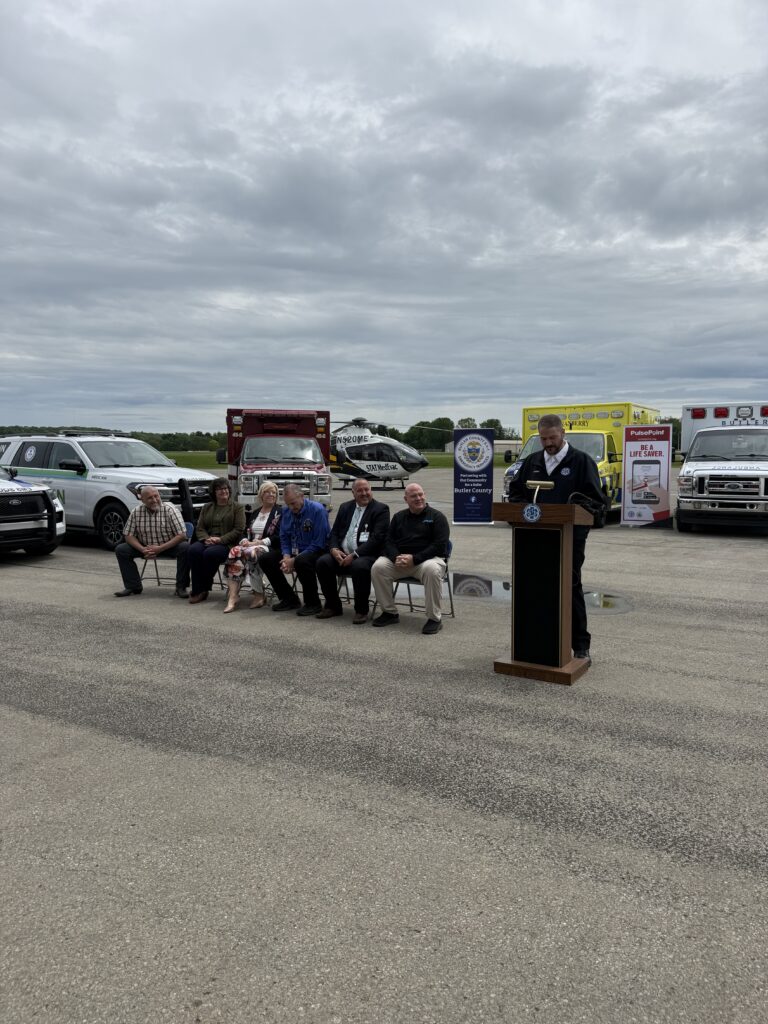
The free app is available for download through the Apple App Store and Google Play and local community members are encouraged to follow Butler County and opt-in to CPR alerts. A launch event for the app will be held on Thursday, May 21, at Pittsburgh-Butler Regional Airport where community members, partners and public safety officials will gather to celebrate the platform and discuss its impact on Butler County.
About the PulsePoint Foundation
PulsePoint is a public, 501(c)(3) non-profit foundation that builds applications for use by public safety agencies to increase community awareness during critical events. The PulsePoint Respond mobile app notifies trained individuals of the nearby need for CPR and the PulsePoint AED registry identifies AED (automated external defibrillator) locations for use by the public and 9-1-1 telecommunicators during emergency call taking. PulsePoint also provides specialized mobile apps for professional responders. Learn more at pulsepoint.org. The free apps are available for download on the App Store and Google Play.
About Sudden Cardiac Arrest
Although a heart attack can lead to sudden cardiac arrest (SCA), the two are not the same. SCA is when the heart malfunctions and suddenly stops beating unexpectedly, whereas a heart attack is when blood flow to the heart is blocked, but the heart continues to beat. Each year, more than 326,000 out-of-hospital cardiac arrests occur, making it the leading cause of death in the United States. Survival rates nationally for SCA are less than eight percent, but delivery of CPR can sustain life until paramedics arrive by maintaining vital blood flow to the heart and brain. However, only about a third of SCA victims receive bystander CPR. Without CPR, brain damage or death can occur in minutes. The average EMS response time is nine minutes, even in urban settings; after 10 minutes there is little chance of successful resuscitation. The American Heart Association estimates that effective bystander CPR, provided immediately after SCA, can double or triple a person’s chance of survival.